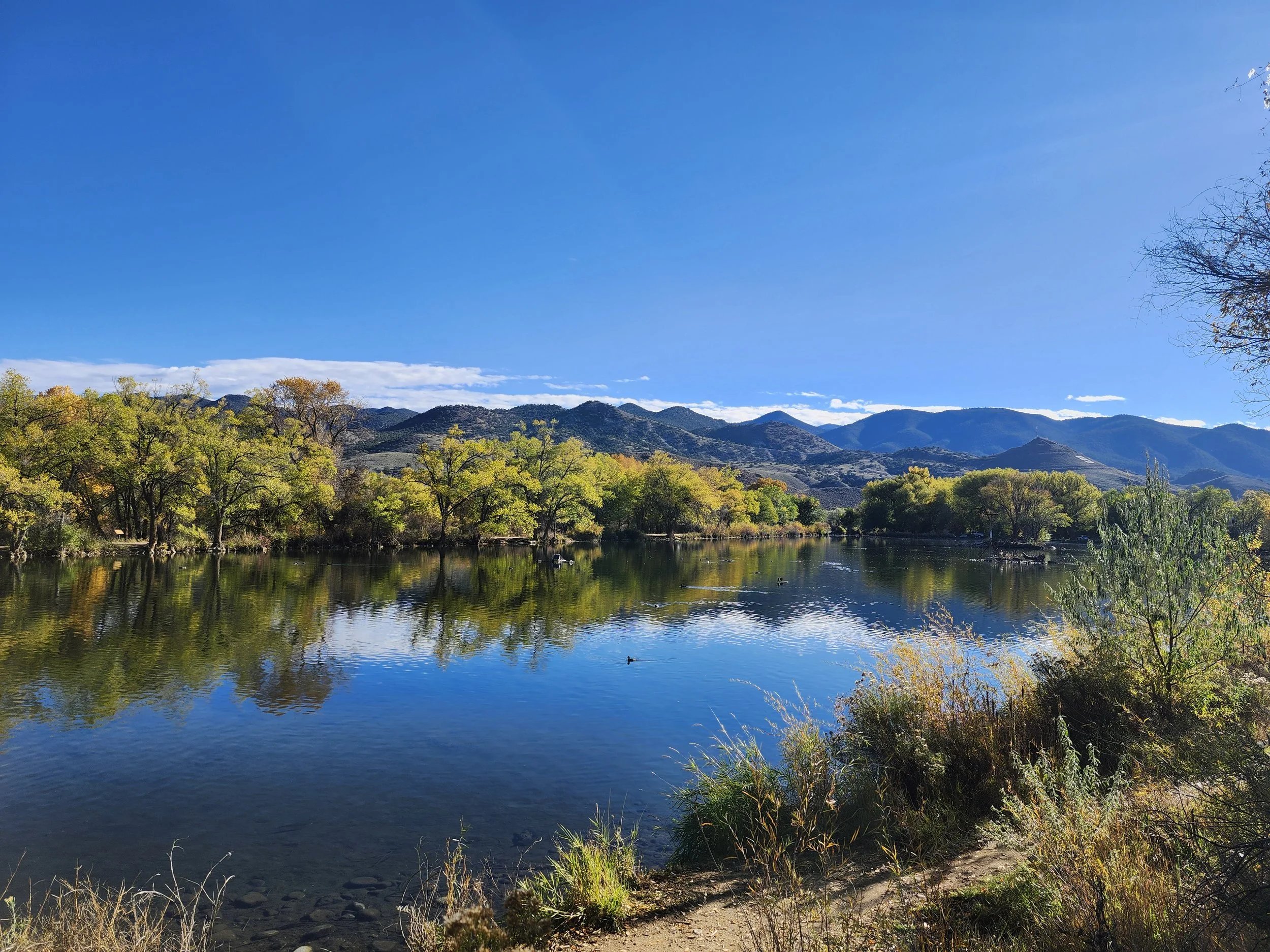
A Coot on Coot Lake and the Northern Sangres in Salida, Colorado
Humanity is acquiring all the right technology for all the wrong reasons. R. Buckminster Fuller
First the rant: an early morning ringing of my landline (yes, I still have one) as I was about to settle in to write. An unknown number which I typically ignore, but it was a local number, and I thought perhaps a community member in need may be reaching out or have dialed incorrectly, so I answered.
Alas, no, the caller claimed to be ‘Ashley’ from ‘Medicare Benefits’ rather rudely inquiring about my Medicare enrollment due to a supposed missing check. As I attempted to ask a question, the voice spoke over me and ended the call when, for the second or third time, I asked, ‘who are you calling?’
Returning to my cozy place by the fire, I thought about letting it go, yet I wanted to know more, and I wondered if I should alert my community to a possible scam. Checking via reverse number lookup, I discovered that the number had no ‘registered owner’. An accompanying map indicated the phone’s location as somewhere in Missouri, nowhere near Crestone, Colorado as shown on the caller id. I was then given the opportunity to report it as a ‘possible spam number’ and did so. Not feeling quite complete, I posted a quick alert to my community on a local social media page. Done. Or so I thought.
Finally, I could engage the Ink. As I began writing about the call, I settled in recognizing it as an extension of both frustrations and concerns about technology that I’ve experienced over the past week or so. Looming under the broader umbrella of questions about AI, its potential impact (both for good and for ill), and our choosing whether and how to engage with it, I’ve been questioning how to discern what is ‘real’ and how technology seems to disconnect us from one another. Could this be by design?
Was ‘Ashley’ the voice of a live person speaking to me or a recorded bot voice routed from a remote offshore location through Missouri and appearing as a local number? Her voice sounded authentic, yet my intuition leans toward probably not. Would a real person supposedly trying to help me while most likely attempting to obtain personal information to scam me be so rude? And, if so, what drives one to participate in that?
I’ve been wondering as well about whether (and, if so, how) our greater use of and reliance on texting and email to communicate with one another leads us to hesitant to speak to each other. Are we less willing today to connect our voices in conversation?
On the road yesterday I was uncharacteristically listening to NPR and heard a story about a study indicating that many young people don’t merely prefer texting but are afraid of talking on their phones. Is this the world we want to create for ourselves, our children, our communities? Will we simply stop speaking with one another?
I’m present to a personal longing for more, deeper conversation and community building. How might technology facilitate that rather than feeding the forces that separate us?
As I reflect on where we are today, I’m certain that past innovations - automobiles, electricity, telephones, even the computer itself, etcetera – brought their own forms of questioning, concern, and yes, fear. For me it isn’t about the answers or finding ‘right’ choices but rather reminding myself to be mindful of the choices I make and inviting those in my communities of connection to do the same.
As I often do, I wonder, what is the deeper truth that wants to surface in this territory? For me. For you? For humanity and for Life? Is Bucky Fuller right?
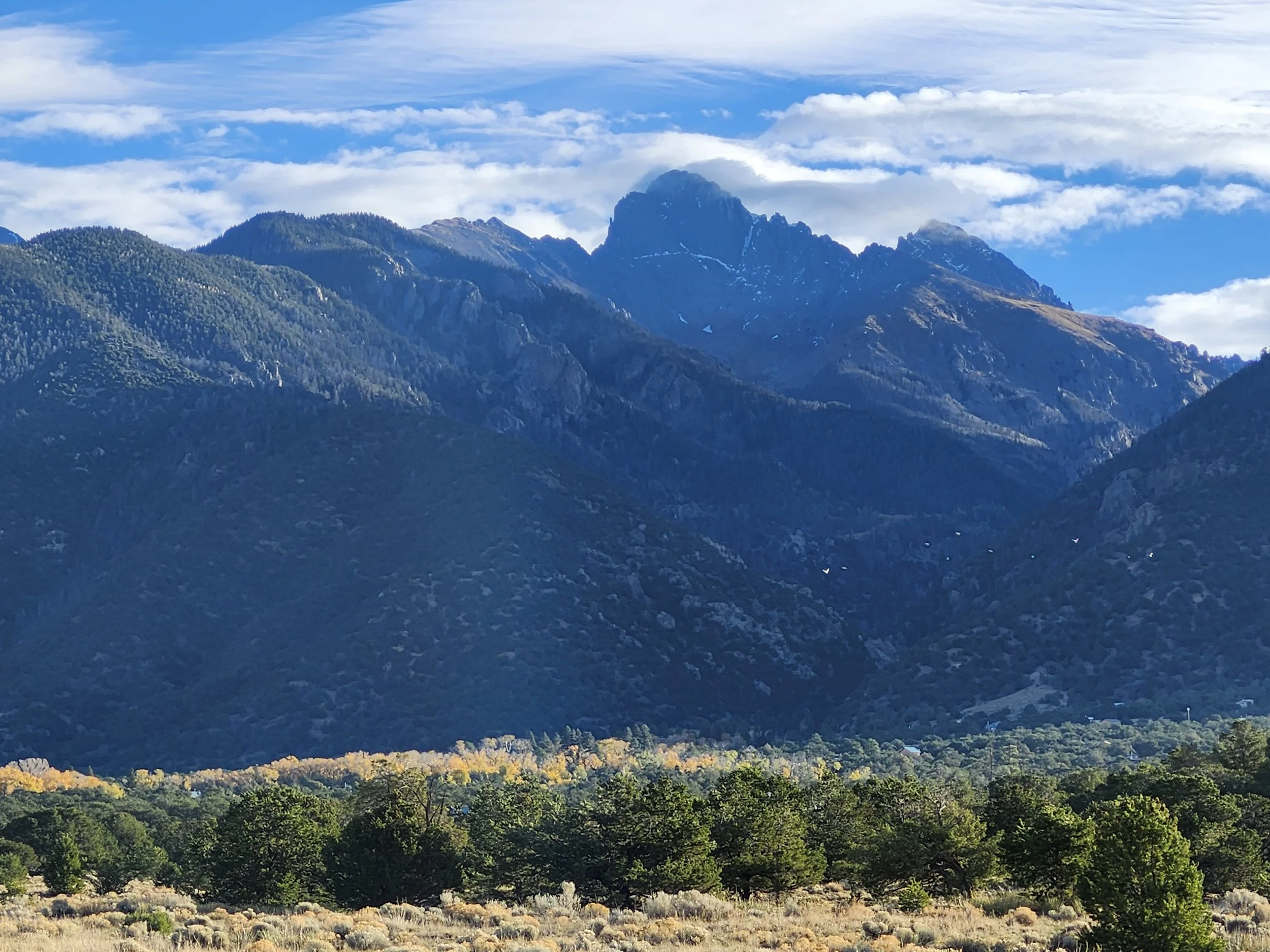
Morning Walk at Home